
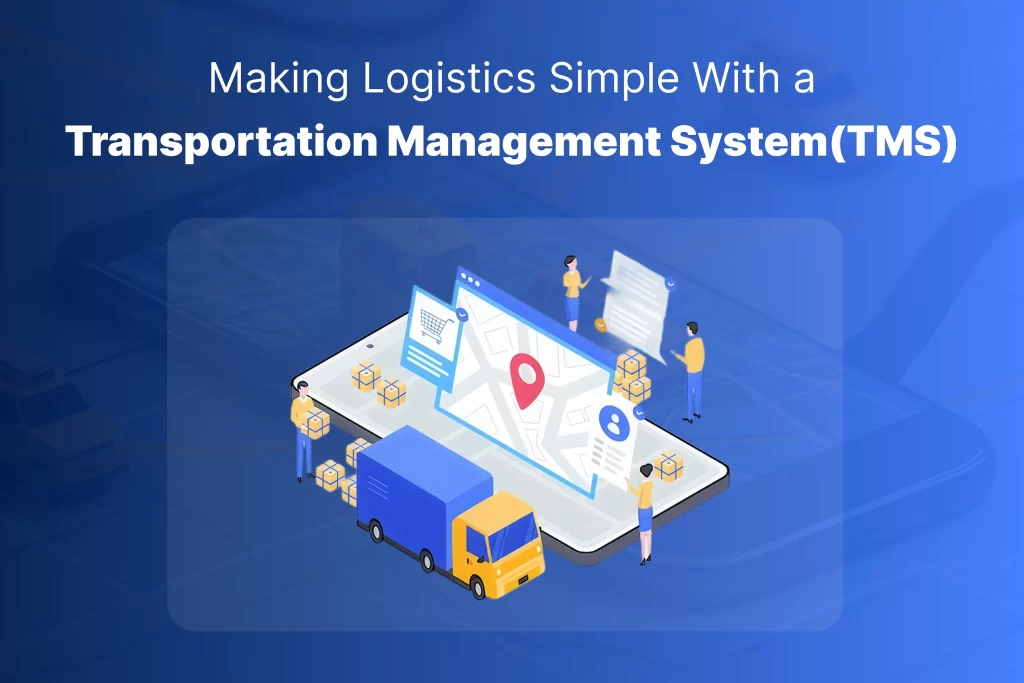
Making Logistics Simple With a Transportation Management System(TMS)
Trucks are waiting, your phone will not stop ringing, and the routes will keep on changing at the last minute. One late delivery and your customers are already upset. Managing transport with all of this can feel messy and stressful.
This is where a Transportation Management System comes in. The system helps to consolidate everything in one place, allowing you to maintain control and stay organized.
In this blog, you will learn what a TMS is, the common problem it solves, and how it can help in making transportation faster and smoother for your business.
Why Does the Transportation System Matter More Than Ever?
Logistics is no longer just about moving goods from one place to another; it is also about managing the entire supply chain. It has emerged as a core part of how businesses are serving their customers. Today, customers need fast deliveries, real-time tracking, and clear updates. They expect their orders to arrive on time, every time. Miss one delivery and you risk losing that customer to a competitor.
Also, supply chains are turning out to be even more complex. Orders come from different sales channels, and route changes are often made due to traffic or weather. Sometimes fuel prices change, and drivers also need clear instructions and proper updates.
All this makes transportation harder to manage, and doing this all manually with spreadsheets, calls, or emails takes up too much time and leads to mistakes. This is where strong supply chain management software and TMS can help you stay organized, proactive, and competitive.
The Everyday Struggles of Managing Transportation
Most of the businesses face the same challenge every day:
- Late or missed deliveries can upset customers and affect their trust. A last-mile delivery software can help ensure on-time delivery and reduce these risks.
- Lack of real-time visibility of the shipments and fleet movements turns out to be another major problem.
- Overload of manual tasks like planning routes, updating teams, or scheduling wastes hours. A route optimization software helps automate this and reduce planning time.
- Difficulty adapting to last-minute changes like urgent orders or delays.
- Higher customer expectations for faster, transparent, and reliable services.
- Poor communication between dispatchers, drivers, and customers.
These everyday problems can create stress and eventually impact the growth of your business. This is exactly the reason why a Transportation Management System (TMS) can make a difference.
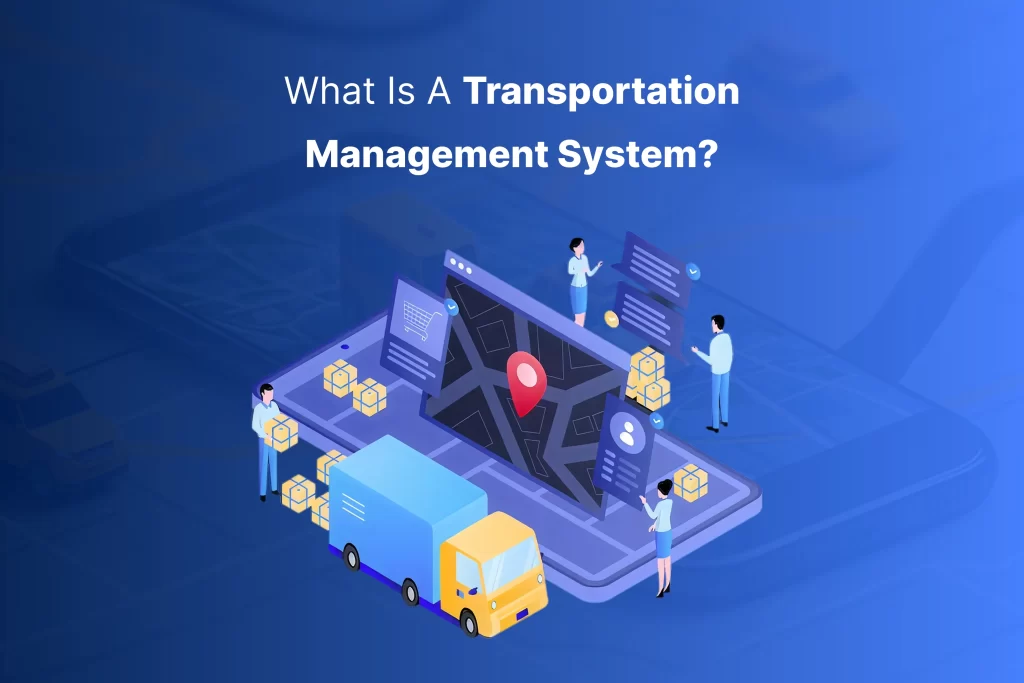
What Is A Transportation Management System?
A Transportation Management System, or TMS, is a software that is specifically made to help businesses plan, execute, and monitor their transportation operations.
The system works as a central hub that helps in organising everything. It helps in managing shipments and planning routes, communicating with the drivers, and tracking deliveries in real time. For businesses that have multiple orders, vehicles, and routes, the TMS software helps in simplifying complexity. It helps in reducing manual work, improving accuracy, and also gives visibility to make quick decisions.
While using TMS, these everyday struggles, like late deliveries, lack of visibility, and communication gaps, can be solved easily. This acts as the backbone of modern logistics, which makes sure that the operations are smoother, faster, and also reliable.
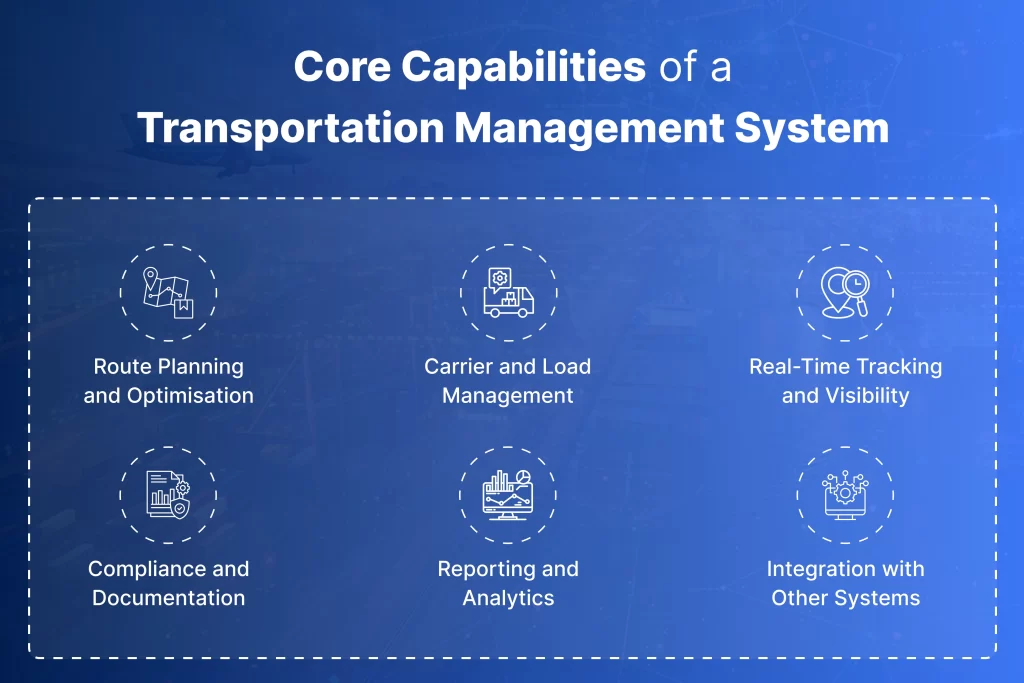
Core Capabilities of a Transportation Management System
A Transportation Management System(TMS) is not just another software; it has turned out to be the backbone of modern logistics. The software helps to bring together everything from trucks, shipments, routes, and drivers in one place.
With TMS, businesses can plan, respond, and deliver goods faster and in smarter ways, keeping customers happy and operations running smoothly.
Here are a few of the main capabilities that can make a TMS essential for transportation management:
Route Planning and Optimisation
A TMS helps to figure out the fastest and most efficient routes, which helps in reducing fuel costs and avoiding traffic delays, and also makes sure that the deliveries are on time. Tools like a route optimization software or a multi-stop route planner make this process even smoother, helping drivers spend less time on the road and complete more deliveries per day.
Carrier and Load Management
Managing many carriers and shipments can turn out to be easier with a TMS. Features like freight forwarding software can help you manage loads, select the right carriers, and stay organized. This leads to fewer errors, smoother dispatches, and even stronger relationships with the partners.
Real-Time Tracking and Visibility
The TMS software makes it possible to track trucks and shipments live from pickup to delivery. One can easily know where the goods are and can respond quickly if something goes wrong. Real-time visibility keeps customers informed, which helps in improving trust and satisfaction.
Compliance and Documentation
A TMS automatically manages shipping documents, audits, and regulatory compliance. This helps in reducing the paperwork time and even the risk of penalties. Also, proper compliance and documentation ensure that the operations run smoothly and meet the legal requirements without the need for any extra efforts.
Reporting and Analytics
The TMS software helps in turning data into insights. One can easily monitor the delivery time, route efficiency, and even driver performance. These insights can help to make smarter decisions, identify bottlenecks, and also continuously improve the logistics operations.
Integration with Other Systems
Modern TMS software can easily work with ERP, WMS, and telematics tools. This helps to keep the systems connected and also allows the logistics information to flow seamlessly across the business. Easy accessibility to the information reduces errors, improves coordination, and also helps in keeping everyone on the same page.

How to Choose the Right TMS ( Step by Step)
Choosing the right TMS can sometimes turn out to be difficult, with so many options available out there in the market. Here is a simple step-by-step way to make the right choice.
Identify Your Biggest Challenge
The first step in choosing a TMS is to be clear on why you need software for your logistics. Is it because of the missed deliveries, lack of tracing, route optimisation, or search for the exact problem that you are facing
Search for the software that helps you exactly solve that problem. The TMS software provided by FleetronX has the solution for every type of problem that modern businesses can face while handling their logistics.
List the Must-Have Features
After figuring out the problems that you wish your transportation management software to solve, list out a few features that, if present in the software, can help your business to grow. You can look for various features like real-time tracking, assistance in documentation, integrations, and many more.
Check for Scalability
Look for software that has the potential to grow along with your business. The TMS you choose should have the capability of easily handling the growing number of logistics.
The TMS provided by FleetronX scales easily. Whether you have 5 trucks today or 50 tomorrow, the software makes sure to handle it all.
Test the User Experience
The software you choose should have a clean and intuitive interface that most teams can learn in a day. Before finalising any software, always ask for a demo and see how easy it is for your team to use.
Look for Easy Integrations
The TMS that you choose should easily connect with your ERP, WMS, and any other tool. This easy integration will make sure that you never have to worry about the data getting stuck in silos.
Evaluate the Support
Great software is backed by great support. Look for a software provider like FleetronX that can provide responsive human support. Looking into this turns out to be of great help when issues come up later.
Compare and Decide
Once the research is done, pick up the software that checks all the boxes. FleetronX makes this choice easy by combining powerful features, scalability, and ease of use, all in one platform.
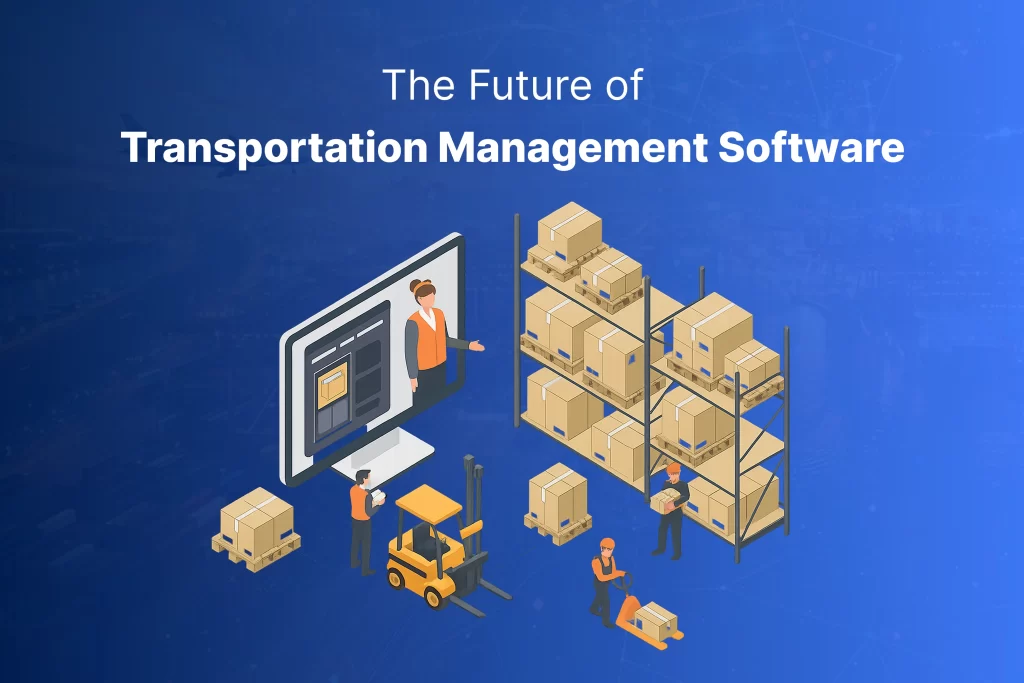
The Future of Transportation Management Software
The transportation management system is gradually entering a new era. Something that was earlier managed by many phone calls, spreadsheets, and manual coordination is now powered by technology and is also getting smarter.
Artificial Intelligence and machine learning are helping businesses predict future demands, avoid delays, and plan the most efficient routes automatically. Automation is helping in reducing repetitive tasks like manual scheduling and paperwork. Real-time data and IoT devices are making fleets more connected and are also giving businesses instant visibility into every truck, driver, and shipment.
The future of logistics will be:
Predictive: Systems will be able to spot potential delays and instantly suggest solutions.
Connected: The system will allow data to seamlessly flow between shippers, carriers, and customers.
Customer-centric: The major focus of the businesses will shift towards customers. Businesses will focus on delivery speed, accuracy, and communication to decide who wins the customer loyalty.
Companies that start using a Transportation Management System(TMS) today will be better prepared for the future. Whether it is about new regulations, rising costs, or changes in customer expectations, the software will offer the perfect data, automation, and flexibility that makes you stand ahead in the competition.
Ready to Take Control of Your Logistics?
Managing transportation does not have to be messy or stressful. By choosing the right TMS, you can simplify the planning process, track every delivery in real time, and keep customers happy, all without any extra calls or disorganized spreadsheets.
The TMS software provided by FleetronX is built in a way that it can work well for every type of industry. The software brings routes, trucks, drivers, and updates together on one simple dashboard, so you always have an idea of what is happening on the road.
No more guesswork, no more delays; just smooth, reliable deliveries.
If you’re ready to take control of your logistics, now is the perfect time to get started.
FleetronX is here to help you plan smarter, respond faster, and grow with confidence.
Your Questions About TMS, Answered
What features should a good TMS absolutely have?
Look for route planning, real-time tracking, carrier management, easy integrations, and reporting tools. These features save time and reduce mistakes.
Does a TMS support multiple modes of transport (air, sea, road)?
Yes, but not every TMS does it well. If you move goods by road, air, or sea, you need a system that can handle it all in one place. Jumping between tools for each mode is frustrating and can also slow down the process.
FleetronX takes care of this for you. The TMS software that we provide lets you manage road, air, and sea shipments from a single dashboard — so you stay organized no matter how complex your logistics are. That’s why it works so well for businesses across different industries.
Can a TMS help with “last-mile” delivery challenges?
Yes. An effective TMS supports last-mile work by planning stops smartly, giving real-time updates to drivers, and letting you reroute when needed. It helps improve delivery to customer doorsteps, especially in urban or complex areas.
How secure is a TMS in terms of data privacy?
Very important. Check that the TMS you choose uses encryption, role-based access (so people only see what they should), audit logs, and complies with local data protection laws. You don’t want data leaks or breaches.
How much time does it take to implement a TMS fully?
Implementation depends on your current systems and team. With clean data, a good vendor, and clear goals, you might see basic setup done in a few weeks. Full rollout: training, integrations, and custom workflows may take a few months.
Can a TMS help with multi-stop and multi-drop routes?
A good TMS should plan for multiple stops efficiently. It should order stops smartly, avoid backtracking, and minimize empty runs. This makes daily delivery rounds more efficient and saves time.
Is mobile access important in a TMS?
Yes. Having mobile access helps drivers, dispatchers, and managers stay in sync. If drivers can use apps, get route updates, and report back from the field, things run smoothly.
What kind of training & onboarding do I need for my team?
Training is important. Even the best tool won’t help if people don’t know how to use it. Look for demo walkthroughs, tutorials, hands-on sessions, and ongoing support as your team starts using it.
Can I customize the TMS workflows/modes to match my workflow?
Most good ones let you adjust workflows; for example, how orders come in, how routes are approved, and how drivers are notified. Look for customization without needing lots of additional coding or costly custom work.
Is TMS only for large companies or fleets?
No. Small and mid-sized businesses also benefit, especially those with multiple shipments or complex routes. The best TMS solutions scale according to your needs.