
Are you also the one trying to figure out which shipping option, FTL or LTL, can help you save costs and also improve delivery efficiency? This is a question every logistics manager faces at some point. The right freight management system model can help to transform how the supply chain works.
In this blog, we will explore what is the key difference between FTL and LTL shipping, when to choose each, and how delivery management tools provided by FleetronX can help you optimize routes, reduce empty miles, and help you make smarter shipping decisions.
What is FTL Shipping?
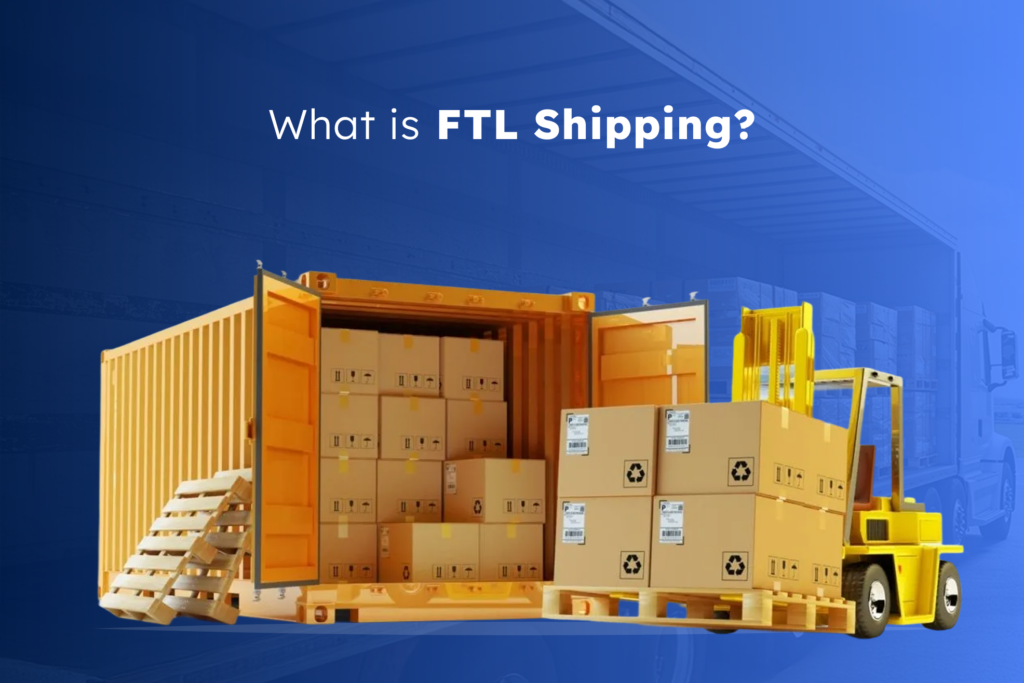
FTL, or in simple terms, Full Truckload Shipping, is a freight model in which a single shipment occupies the entire truck. It is used when you have enough goods to fill a trailer or even when you need a particular vehicle for your cargo.
With FTL shipping, your freight goes directly to the final destination you want from the pickup point without combining with other shipments. This means fewer stops, faster delivery, and also a lower risk of damage. This turns out to be the preferred choice for large, heavy, or time-sensitive shipments.
Businesses choose Full Truckload Shipping when consistency and control matter more than saving a little amount on space. It offers flexibility to plan routes, schedules, and delivery timelines with precision.
When talking about the logistics team, Full Truckload shipping helps to simplify operations. It helps to improve transit visibility and ensure better load utilization, especially when managed using a modern logistics management software like the one provided by FleetronX.
Example:
Imagine you are a manufacturer who is trying to ship 20 pallets of raw materials to a factory in another state. Because the load you are trying to ship fills up the entire truck, using FTL ensures faster delivery and minimal handling during transit.
What is LTL Shipping?
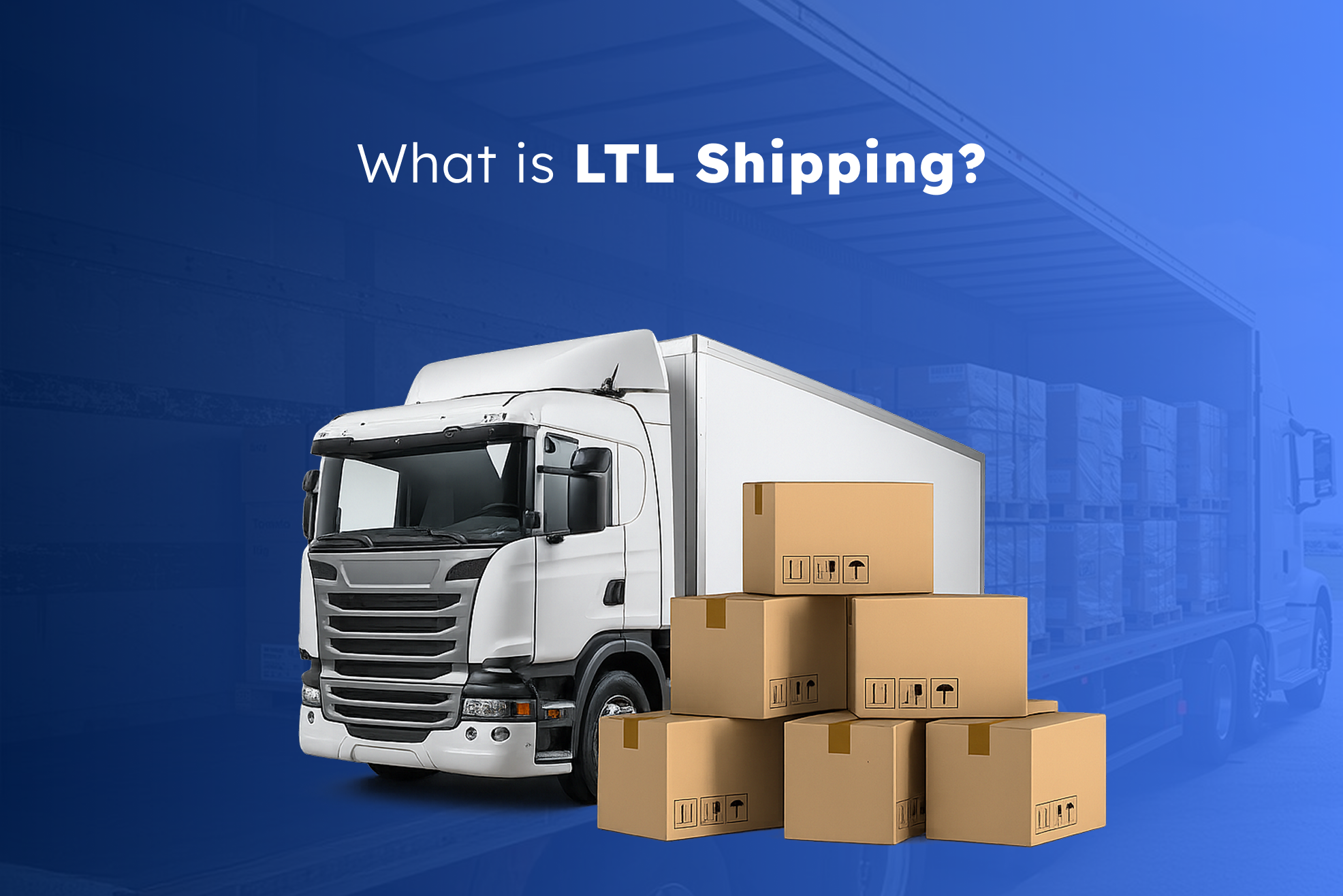
LTL, or Less Than Truckload shipping, is a freight model in which multiple shippers share space in a single truck. Instead of paying for an entire trailer, you only pay for the space that is required for your shipment needs.
This model turns out to be perfect for smaller loads that do not fill a full truck. Your freight travels with other shipments heading in the same direction. Because the truck makes multiple stops, the LTL shipping process usually takes more time than FTL, but it is far more cost-efficient for lighter or lower-volume goods.
For businesses, Less Than Truckload shipping offers flexibility. Smaller quantities can be moved more easily, and inventory can be managed better, all with controlled logistics costs.
While handling and transit times can change due to shared routes, a good transportation management system or logistics software can help to track every movement, optimize load planning, and also reduce delivery delays.
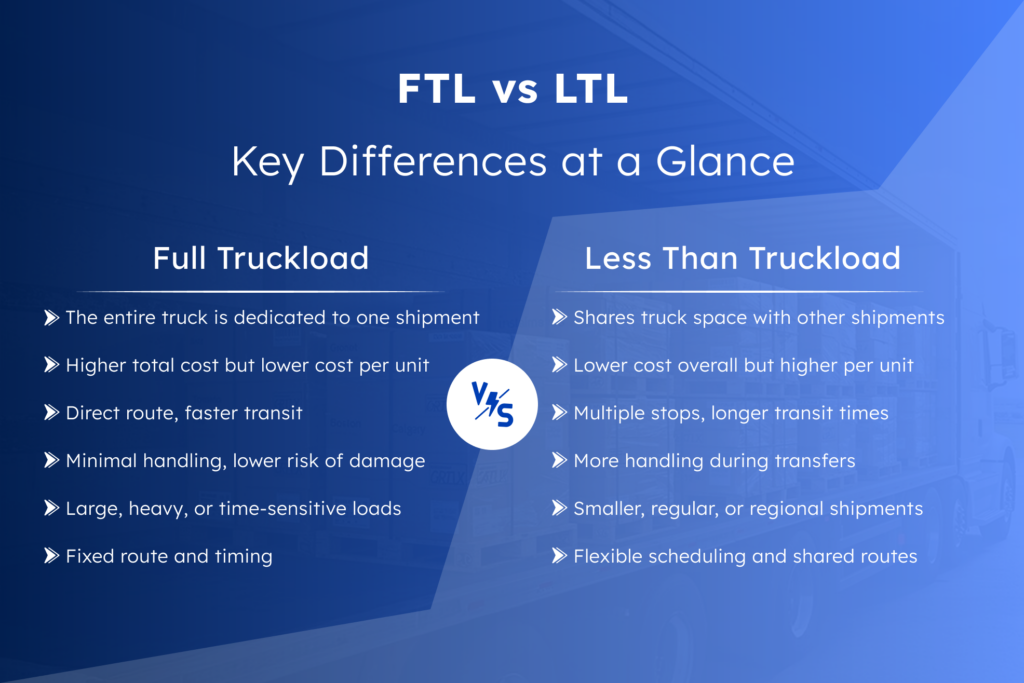
FTL vs LTL: Key Differences at a Glance
Now that you know what each model means, let’s look at how FTL and LTL shipping differ in real-world logistics. Understanding these differences helps you choose the model that fits your shipment size, budget, and delivery goals.
Here’s a quick breakdown of how they compare:
| Factor | FTL (Full Truckload) | LTL (Less Than Truckload) |
|---|---|---|
| Shipment Size | The entire truck is dedicated to one shipment | Shares truck space with other shipments |
| Cost Structure | Higher total cost but lower cost per unit | Lower cost overall but higher per unit |
| Delivery Speed | Direct route, faster transit | Multiple stops, longer transit times |
| Handling | Minimal handling, lower risk of damage | More handling during transfers |
| Ideal For | Large, heavy, or time-sensitive loads | Smaller, regular, or regional shipments |
| Flexibility | Fixed route and timing | Flexible scheduling and shared routes |
| Visibility & Control | Greater control over route and timing | Limited control, but improved with logistics software |
| Use Case Example | The manufacturer is shipping full pallet loads | Retailer moving to smaller, frequent orders |
Understanding the Cost Factors of FTL and LTL Shipping
One of the biggest questions businesses have when comparing FTL vs LTL shipping is cost. Both models work differently, and so do their pricing structures.
In FTL shipping, you pay for the entire truck whether it’s full or not. The cost depends on factors like distance, fuel rates, load weight, and the type of goods being shipped. For high-volume loads, FTL often turns out more economical per unit.
Example:
A beverage company sending a full truck of bottled drinks to a distributor pays a single rate for that truck. Even if it’s not completely full, they still pay for the full capacity but they gain speed and control.
In LTL shipping, you only pay for the portion of space your shipment occupies. Pricing is influenced by freight class, shipment weight, route, and delivery frequency. The truck shares space with other shipments, so total cost is lower, though per-unit cost can be higher.
Example:
A small electronics retailer shipping five pallets of devices across nearby cities pays for just that space in the trailer. It saves cost compared to hiring a full truck but takes longer to deliver.
Other cost factors that affect both FTL and LTL include:
- Fuel surcharges and distance traveled
- Accessorial charges (like liftgate or residential delivery)
- Freight classification and packaging
- Handling and insurance requirements
Choosing the right model isn’t only about price it’s about total efficiency. A logistics management platform like the one provided by FleetronX helps compare real-time shipping costs, optimize routes, and forecast expenses, so you always choose the most cost-effective option.
When to Choose FTL vs LTL: How to Pick the Right Freight Model
Choosing between FTL and LTL shipping depends on what you’re moving, how often, and how fast it needs to reach its destination. There’s no one-size-fits-all answer, but a simple framework can help you decide what works best for your logistics goals.
Here’s a quick guide to choosing the right model:
Look at Your Shipment Size and Weight
If your shipment fills most or all of a truck, FTL shipping is the best choice. It gives you a dedicated truck, faster transit, and less handling.
If your load is smaller say a few pallets LTL shipping saves money by letting you share space with other shippers.
Example:
A furniture manufacturer shipping 20 pallets across the country should use FTL. A local retailer sending three pallets to nearby stores will benefit from LTL.
Consider Delivery Urgency
When time is critical, go with FTL. Your truck moves directly from pickup to delivery, no extra stops.
If you can allow for longer transit times, LTL is more cost-effective. It’s perfect for non-urgent deliveries.
Example:
A food distributor moving perishable goods needs FTL. A warehouse restocking of non-perishable products can go LTL without issues.
Evaluate Cost vs. Control
FTL shipping offers more control — over route, timing, and handling but it costs more upfront.
LTL shipping lowers costs, but your freight shares space and time with others.
The smart move? Use data. A logistics management platform like FleetronX can analyze routes, volume, and delivery frequency to suggest the most cost-efficient freight model for each shipment.
How Logistics Software Helps You Choose Smarter
Deciding between FTL and LTL shipping isn’t just about load size anymore it’s about data. With so many variables like routes, fuel costs, delivery timelines, and carrier availability, manual planning often leads to delays and higher expenses.
That’s where a logistics management software like FleetronX changes the game. It uses automation and real-time insights to help businesses choose the best shipping model for every situation.
Here’s how technology makes the difference:
1. Real-Time Load Optimization
FleetronX analyzes shipment volume, weight, and route data to suggest whether FTL or LTL is more cost-effective. It automatically allocates space, reducing empty miles and improving vehicle utilization.
2. Route and Cost Analysis
The platform compares live route conditions, fuel rates, and carrier performance to forecast costs accurately. This helps logistics teams balance speed, cost, and efficiency before dispatching any truck.
3. Visibility and Tracking
FleetronX gives complete shipment visibility whether it’s a full truckload or a shared one. You can track every vehicle, monitor delivery times, and instantly react to route changes or delays.
4. Predictive Decision-Making
By learning from past shipments, the system predicts future trends. This means smarter scheduling, better carrier selection, and fewer costly errors over time.
Conclusion: Making the Right Move with FleetronX
Choosing between FTL and LTL shipping doesn’t have to be complicated. It’s about finding the balance between cost, speed, and shipment size.
If you need faster delivery with full control, FTL is the way to go. If you’re shipping smaller loads and want to save on transport costs, LTL makes perfect sense. The real win comes from knowing when to use each — and that’s where smart logistics management makes all the difference.
With a platform like FleetronX, you get complete visibility, route optimization, and intelligent cost analysis all in one place. It helps you analyze freight data, compare performance, and choose the most efficient shipping model every time.
Whether your business manages large-scale manufacturing loads or frequent regional deliveries, FleetronX ensures your logistics run smoother, faster, and smarter.
Simplify your logistics. Reduce costs. Deliver smarter — with FleetronX.
FAQs About FTL vs LTL Shipping
What is the main difference between FTL and LTL shipping?
The key difference lies in truck usage. FTL (Full Truckload) shipping uses an entire truck for one shipment, while LTL (Less Than Truckload) shares space with shipments from multiple businesses. FTL is faster and ideal for large loads; LTL is more affordable for smaller ones.
Which is more cost-effective: FTL or LTL?
It depends on your shipment size and urgency. LTL shipping is usually cheaper for small loads since you pay only for the space you use. But for large shipments, FTL often gives a lower cost per unit and faster delivery.
Is FTL always faster than LTL?
Yes, in most cases. FTL shipments travel directly from pickup to delivery with no extra stops, making them faster. LTL shipments make multiple stops to unload and reload freight, which can extend delivery time.
How can I decide whether to choose FTL or LTL shipping?
Consider three things: shipment size, delivery urgency, and cost. Large, time-sensitive loads fit FTL better, while smaller, flexible shipments suit LTL. Tools like FleetronX logistics software can analyze your data and suggest the most efficient model.
How does FleetronX help optimize FTL and LTL logistics?
FleetronX uses real-time data and automation to help you select the best freight model, plan routes, and reduce costs. It provides complete visibility across both FTL and LTL operations, ensuring timely, cost-efficient deliveries every time.